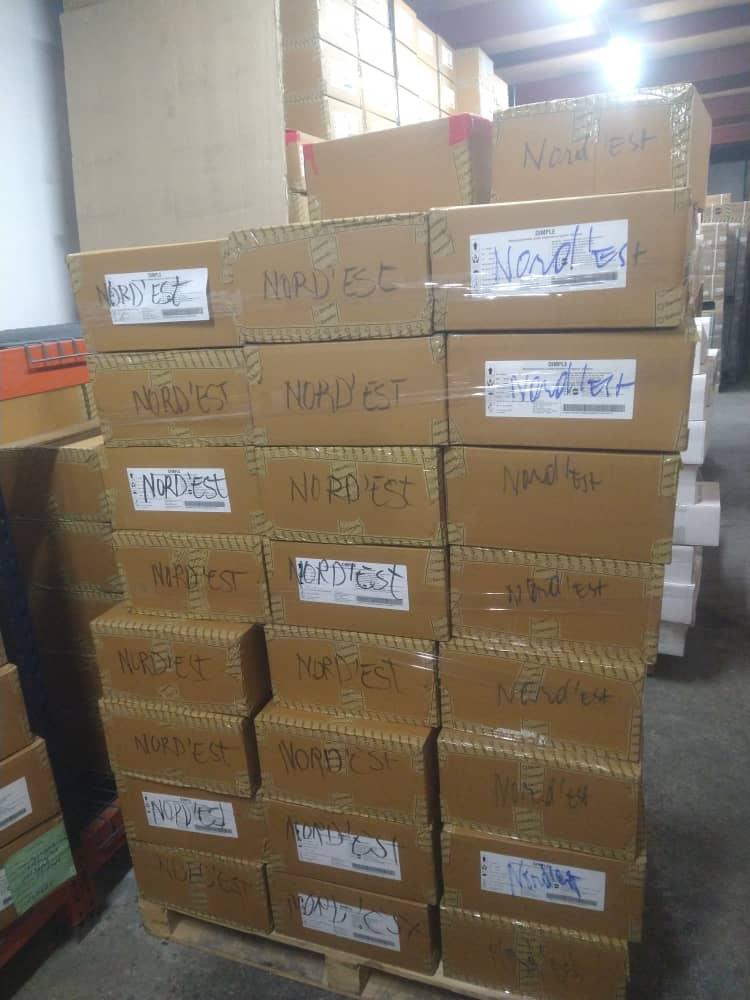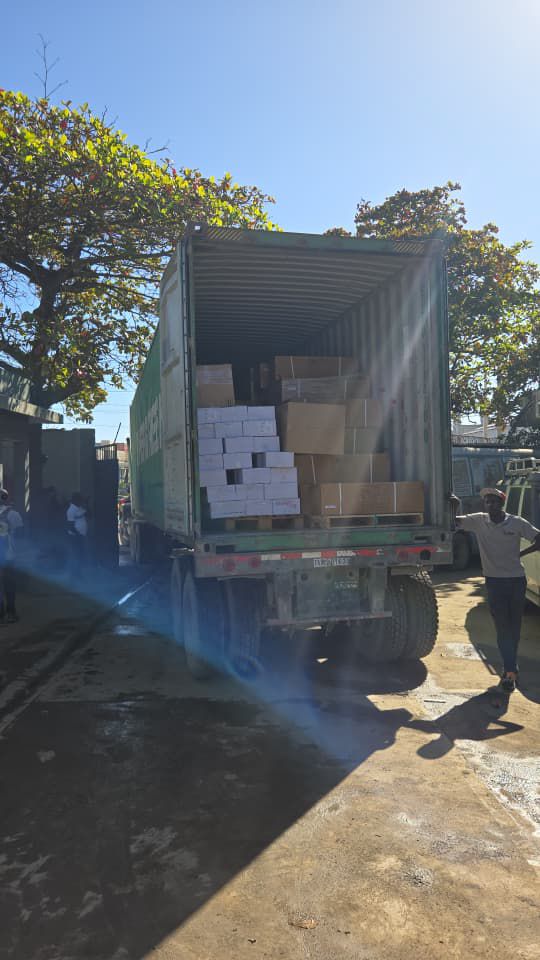
For almost a year now in northern Haiti, women and families have been denied access to essential reproductive health products — not because they don’t exist in the country, but because they were trapped in a warehouse. Condoms and other essential contraceptive supplies sat in a Port-au-Prince warehouse while clinics across the country faced empty shelves and rising unmet need.
Haiti’s ongoing social, political, and economic instability has long strained its health system. A reliable supply chain for family planning commodities is not optional — it is foundational to health, dignity, and economic stability. Traditionally, these supplies are accessed through Haiti’s Ministry of Health, with critical support from international partners.
But in recent months, and following the closure of USAID programs, that system stalled. The products were in the country, yet distribution to Haiti’s ten departments came to a halt. For women, the consequences were immediate and profound: increased risk of unintended pregnancy, higher maternal health risks, higher rates of STI transmission, and fewer choices over their own lives.
After months of advocacy and negotiation, the truth emerged. The cost to release the supplies and bring them to the north department was $4,000.
Four thousand dollars stood between 1.1 million women and access to contraception and the ability to have control over their own lives, bodies, and futures.
With urgency and determination, C2C partnered with Second Mile Haiti to cover the fees and finally move the products out of storage and into communities. Distribution has now begun across four departments, restoring access where it had been absent for nearly a year.
This is more than a story about delayed shipments or broken systems. It is a stark illustration of how small financial and bureaucratic barriers can have enormous human consequences. Reproductive health care is not a secondary concern to be addressed “after” crises are resolved. It is essential, lifesaving care.
In Haiti, unlocking access to contraception did not require millions of dollars or new infrastructure. It required recognizing that women’s health cannot wait — and acting on it.