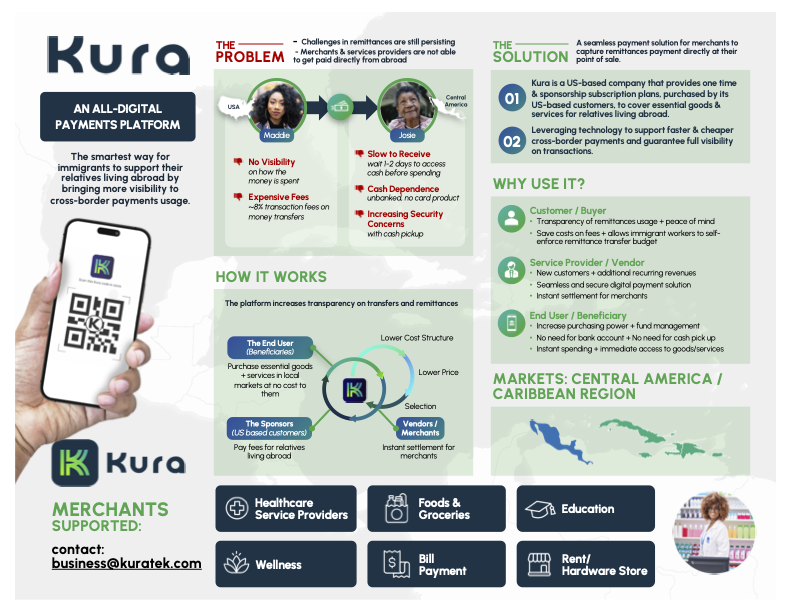
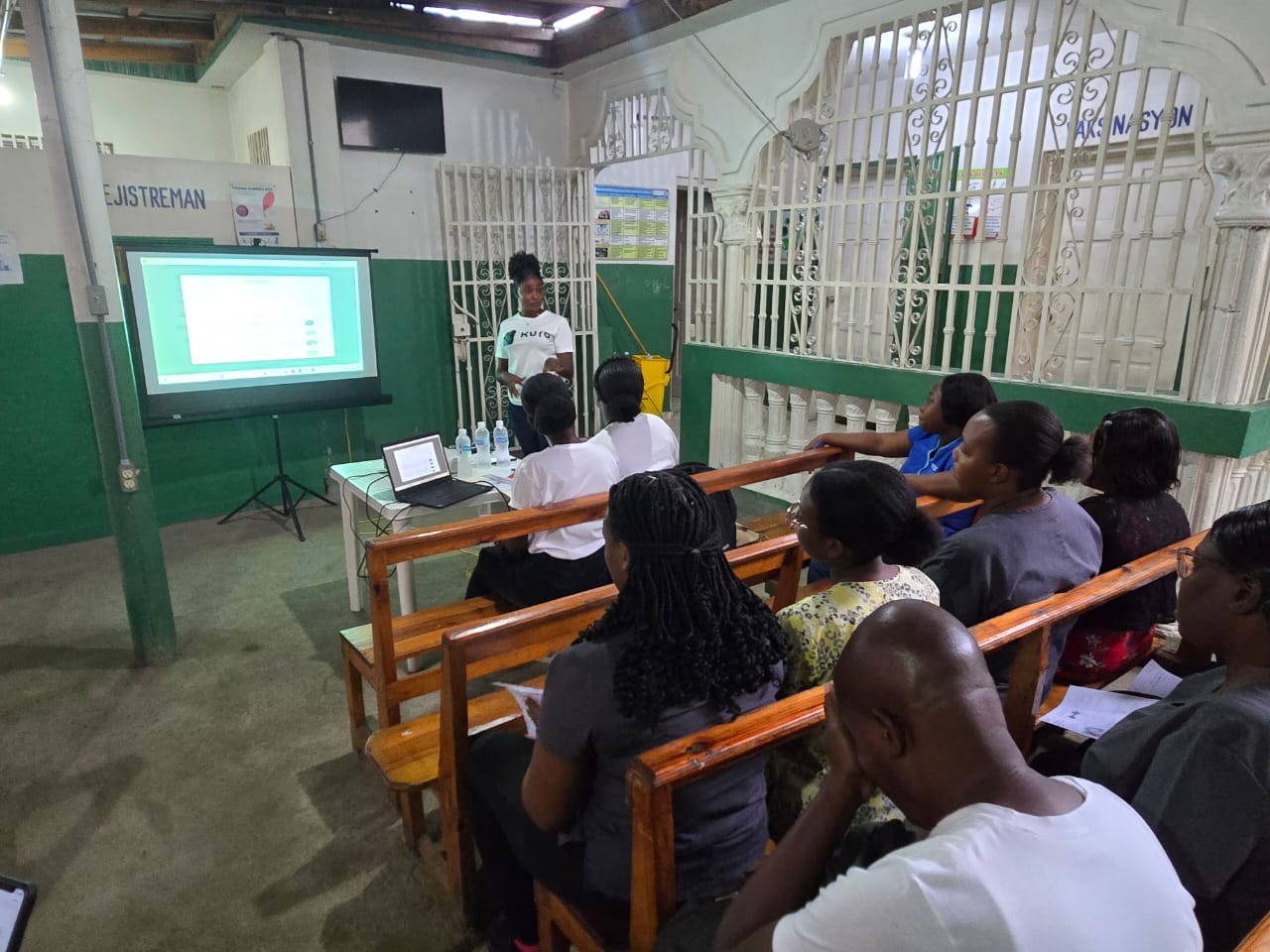
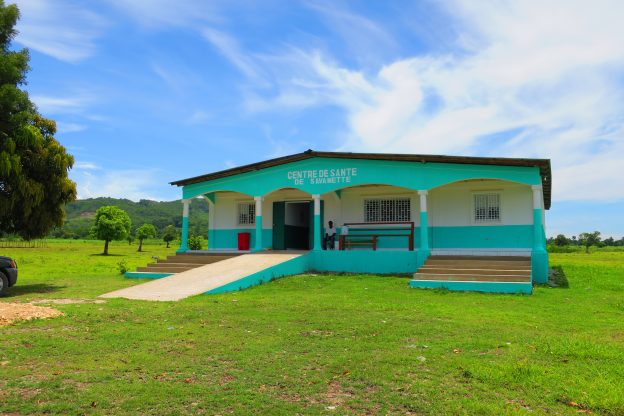
In Haiti, most economic activity still relies on cash. Digital transaction platforms like the Haiti-based Kura app are gaining popularity, offering a safer and more reliable alternative. To better serve our patients and promote accessibility, C2C has partnered with Kura to implement a new, secure payment platform at our clinics that allows patients and their families abroad to cover healthcare costs.
Here are just a few of the benefits that our patients will experience as a result of C2C’s partnership with Kura:
Safety: While C2C offers healthcare services at below-market prices, carrying cash comes with risk. Through digital payments, patients no longer have to worry about the risks associated with bringing cash to the clinics.
Peace of mind: By allowing family members to help cover healthcare costs, Kura reduces barriers to access for patients who cannot afford fees at the time of their visit. It also provides family members abroad with peace of mind, knowing that their loved ones are taken care of and that they can support them.
Inclusivity: Many Haitians do not own a bank account – but most own a mobile phone. Kura’s mobile solution makes it simple for anyone to utilize their platform, regardless of banking status.
Efficiency:By removing intermediaries, harnessing the power of technology, and eliminating traditional banking fees, Kura offers an affordable solution for faster transactions.
Security: Consumer financial protection is extremely limited in Haiti. Kura’s platform offers end-to-end encryption to protect patients and their data.
Choice: This is the first additional payment method that C2C has introduced in our clinic network. Patients will now have more choice over how they pay for services.
We are especially excited about the opportunity to provide patients with cross-border payment options. Many of C2C’s patients have family abroad, who often send remittances to Haiti to cover basic living costs, including healthcare expenses. By using Kura, patients’ family members abroad can now pay for services for their loved ones’ care at C2C’s clinics, instantly, removing substantial barriers to access.
Through C2C’s partnership with Kura, we are leveraging modern, Haitian-built technology to offer more accessible care, reducing financial barriers to essential healthcare services. We are excited to pilot this innovative platform and to learn from this experience.
Learn more about Kura here. If you have family members living near a C2C clinic, you can also try out the app yourself!
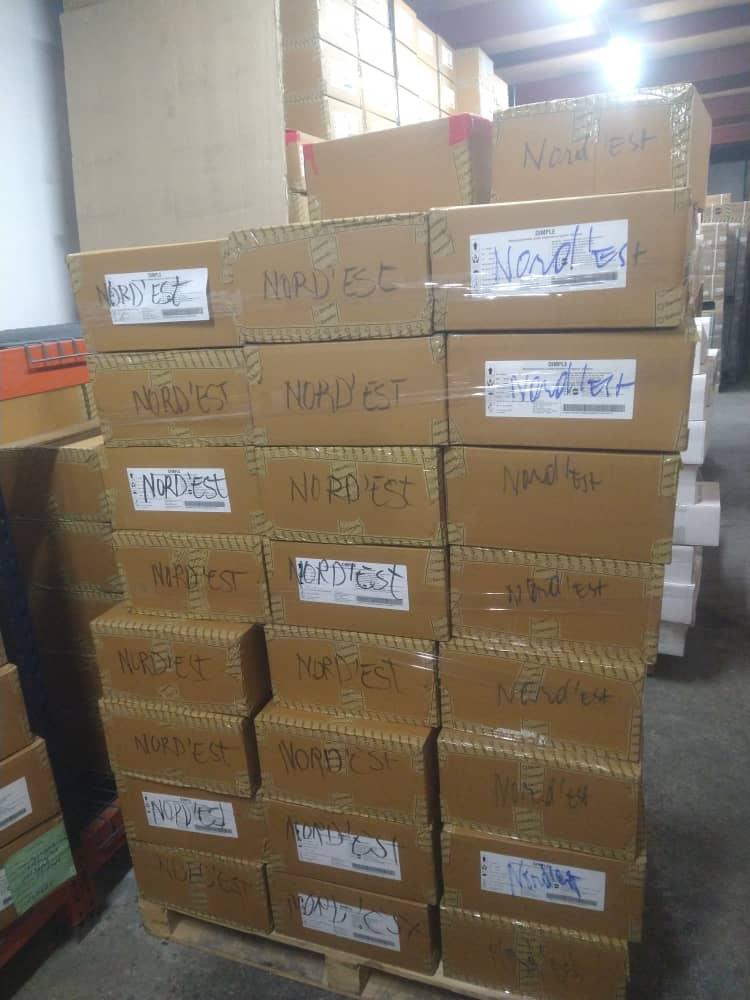
For almost a year now in northern Haiti, women and families have been denied access to essential reproductive health products — not because they don’t exist in the country, but because they were trapped in a warehouse. Condoms and other essential contraceptive supplies sat in a Port-au-Prince warehouse while clinics across the country faced empty shelves and rising unmet need.
Haiti’s ongoing social, political, and economic instability has long strained its health system. A reliable supply chain for family planning commodities is not optional — it is foundational to health, dignity, and economic stability. Traditionally, these supplies are accessed through Haiti’s Ministry of Health, with critical support from international partners.
But in recent months, and following the closure of USAID programs, that system stalled. The products were in the country, yet distribution to Haiti’s ten departments came to a halt. For women, the consequences were immediate and profound: increased risk of unintended pregnancy, higher maternal health risks, higher rates of STI transmission, and fewer choices over their own lives.
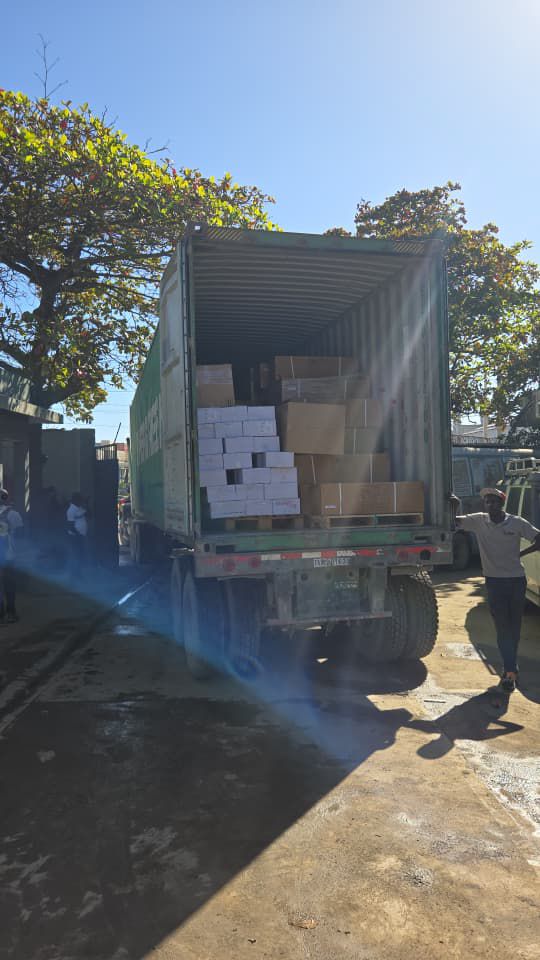
After months of advocacy and negotiation, the truth emerged. The cost to release the supplies and bring them to the north department was $4,000.
Four thousand dollars stood between 1.1 million women and access to contraception and the ability to have control over their own lives, bodies, and futures.
With urgency and determination, C2C partnered with Second Mile Haiti to cover the fees and finally move the products out of storage and into communities. Distribution has now begun across four departments, restoring access where it had been absent for nearly a year.
This is more than a story about delayed shipments or broken systems. It is a stark illustration of how small financial and bureaucratic barriers can have enormous human consequences. Reproductive health care is not a secondary concern to be addressed “after” crises are resolved. It is essential, lifesaving care.
In Haiti, unlocking access to contraception did not require millions of dollars or new infrastructure. It required recognizing that women’s health cannot wait — and acting on it.
C2C is looking for a Programs Director to oversee all Ministry of Health-affiliated programs including community health, maternal health, and sexual & reproductive health! Please review the description below, and if you think you are a good fit, send your CV, cover letter, and three references to [email protected].
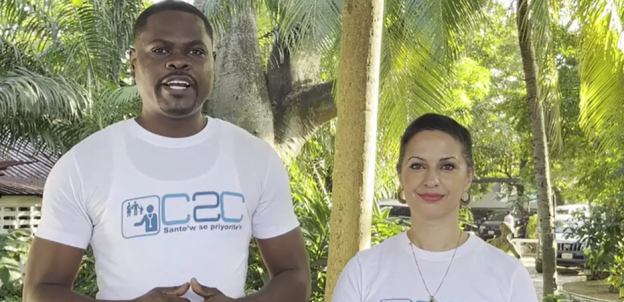
C2C’s Chief Medical Officer, Dr. Wilnick Richard, and Managing Director, Racha Yehia, share a message of hope for our supporters and for the people of Haiti.
From all of us at C2C, we are hopeful for a better and brighter new year for Haiti.
Four-month-old twins and a two-year-old; three children under three sums it up for me. On May 10th of this year, I gave birth to twin girls in the Dominican Republic. YES, the Dominican Republic. This is also where I gave birth to my oldest daughter. Such excitement, joy, and happiness were created from growing my family.
After three months of parental leave, I have returned to my new normal life, home in Haiti, and back at work. Lately, I have been reflecting quite a bit on how fortunate I am to be able to travel 150 miles in the comfort of my air-conditioned SUV, to another country, simply to give birth in a modern health facility. This reality is a luxury in northern Haiti. This is also why I was so looking forward to coming back and continuing the various projects we have going on at C2C so that someday we can make my luxury a norm in Haiti.
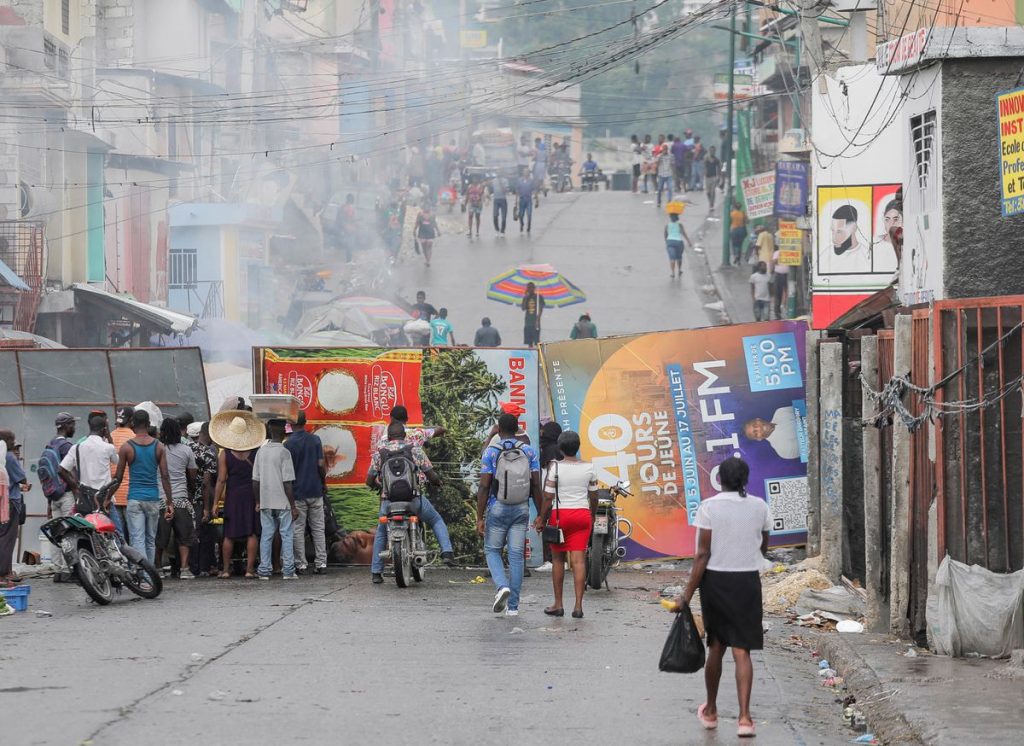
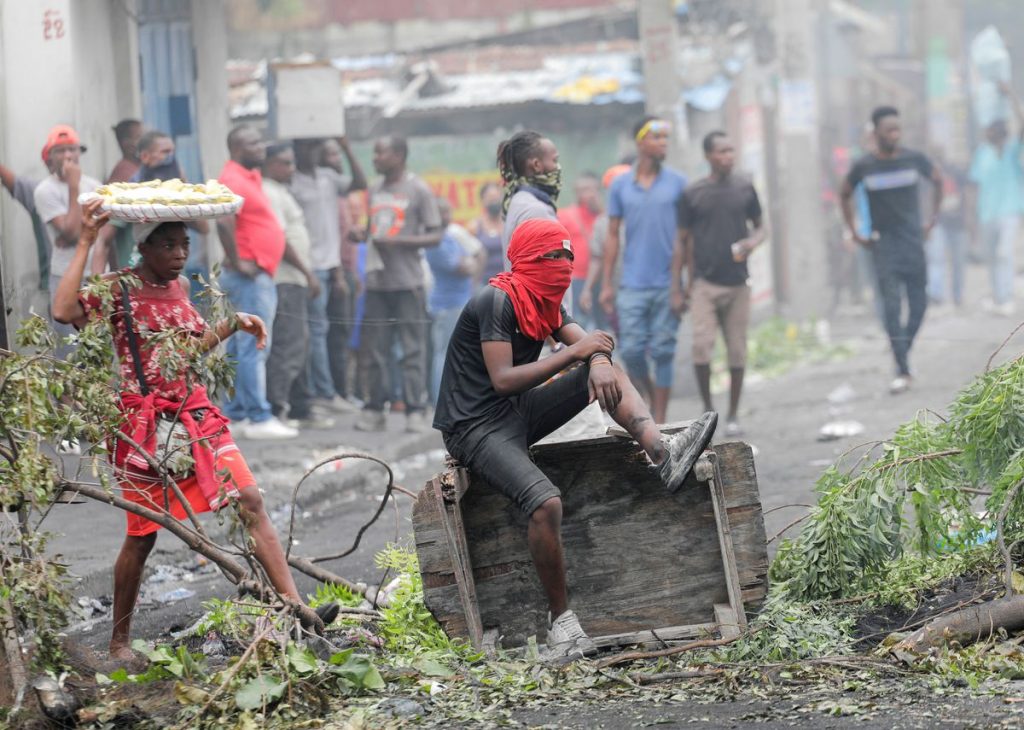
Unfortunately, it is easier said than done. Today, the country is currently going through severe civil unrest. The people are frustrated.
Frustrated that there is a constant lack of fuel.
Frustrated that the cost of living is continuously increasing.
Frustrated that some foods have surpassed a 50% increase in price.
Frustrated that the reopening of schools has been delayed until October.
Frustrated that the government is not doing anything to lessen this burden on its people.
Source: Reuters
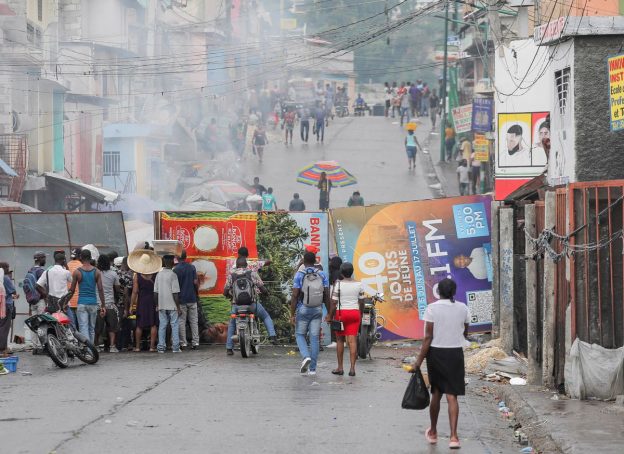
For the past two weeks, we have had protests, roadblocks, and barricades all over the country as people demand change and improvement to the current situation. We had to, unfortunately, close some of our clinics for several days due to a lack of security. It is often unsafe for employees and patients to travel to our clinics. We have had to be very vigilant with fuel since there has not been any in the gas stations for weeks. We have had to pay transportation stipends to our employees because they were struggling to afford to come to work due to the high inflation of public transportation prices.
I see and understand the struggle that the vast majority of the population is going through. I agree there needs to be change, but unfortunately, voices are only heard when violence, vandalism, and riots are part of the equation.
Source: Reuters
I was looking forward to coming back home to Haiti, getting back to work, and being part of a system of change: a system focused on improving health care for the Haitian population. At C2C, we make it an obligation to provide every patient that enters our clinics with the highest quality of care and every person we meet in the community with the resources they need to better their health.
As we pass through this difficult period in Haiti, I am working toward the vision that one day all women will feel secure and comfortable giving birth in Haiti. We will work tirelessly to accomplish getting over 85% of all children fully vaccinated and to reduce the burden of the most common communicable and noncommunicable diseases.
Thank you for supporting C2C’s work no matter what is going on in Haiti.
Without our loyal donors, we would not be able to provide quality care to thousands of people.
C2C was recently featured in Knowledge Success, a global project led by a consortium of partners and funded by USAID’s Office of Population and Reproductive Health to support learning, and create opportunities for collaboration and knowledge exchange, within the family planning and reproductive health community.
Racha Yehia, C2C’s Managing Director, was interviewed about C2C’s new comprehensive sexual and reproductive health education program and gave insight into what it was like piloting a course from the ground up–discussing concerns with community members, creating a curriculum from scratch, and ultimately teaching the course to young women in our catchment area.
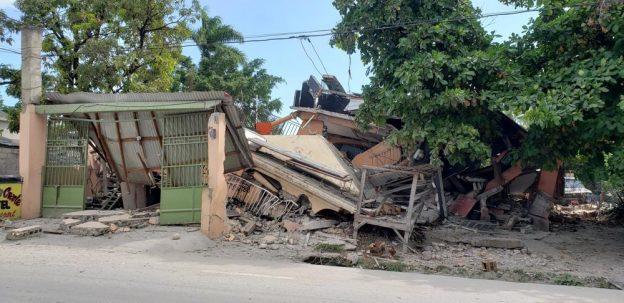
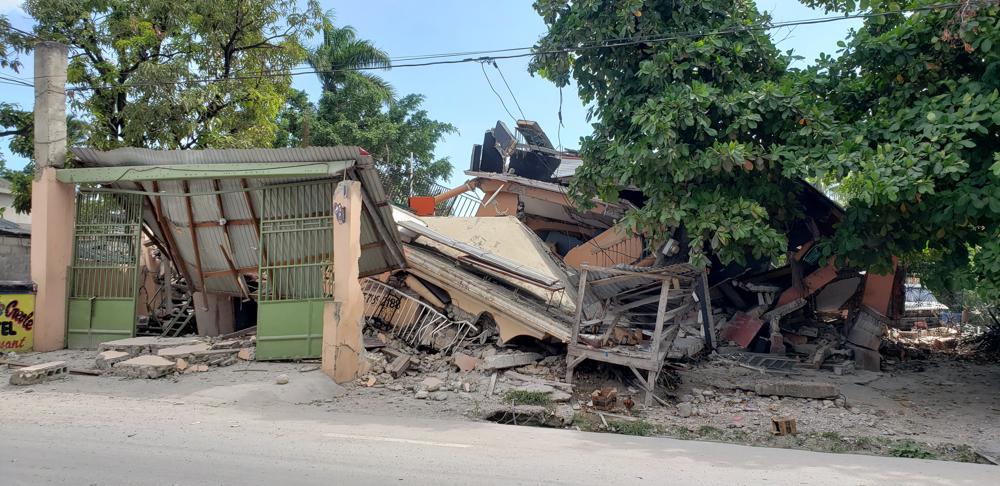
On Saturday morning, a magnitude 7.2 earthquake violently shook Haiti, approximately 16 miles west of Port-au-Prince, Haiti’s capital. This most recent disaster is a devastating blow to an impoverished country reeling from a presidential assassination last month and still recovering from the disastrous earthquake not more than 11 years ago.
Image by AP News
We are safe and feel grateful that the north of Haiti was spared. We are concerned for our neighbors in the south of Haiti as the death and injury tolls are rising and many are still searching for missing friends and loved ones, as well as for resources, medical help, and basic necessities like water.
According to Haiti’s Civil Protection agency, at least 1,297 people died and 5,700 people were wounded, along with major damages to homes, trapped victims, chaos and overwhelmed hospitals in three departments in the southern part of the country. Many public buildings (hospitals, schools, hotels, churches, etc.) suffered damage or collapsed.
Currently, Haiti is bracing itself for Tropical storm Grace which could bring flash-flooding and mudslides today, which could complicate things further for the already-vulnerable country. The unsolved assassination, a leadership vacuum, severe poverty and systematic gang violence in parts of Haiti have left the government dysfunctional and ill prepared for a natural disaster.
We urge everyone who is interested in helping Haiti to support local Haiti-based organizations that are working in direct response to help communities and areas affected by the earthquake.
Here at C2C, along with local partners and friends, we are mobilizing to distribute emergency relief including critical medicines, medical supplies, hygiene kits, water purification kits, and personal protective equipment.
If you would like to help, please click to donate towards relief supplies that we will procure and purchase locally to go to affected areas.
We will keep you updated as we learn more and as things develop on the ground.
Thank you all for your messages and for all you do to help the people of Haiti. We appreciate your support and friendship!
Comprehensive SRH education program in Haiti addresses gender inequality
Care 2 Communities (C2C)’s Managing Director Racha Yehia sat down with Development Coordinator Amanda Fata to discuss the the development of C2C’s new and comprehensive sexual and reproductive health education program that is tailored to its community context in Haiti. This interview highlights why and how C2C developed the program, and how it contributes to C2C’s vision.
“Girls in Haiti, like in many places around the world, are not empowered to make decisions about their sexual health or take ownership of their own bodies. I believe this systemic gender inequity has led to many issues in the country.” – Racha Yehia
Amanda Fata, interviewer: What does C2C do and what is your role with the organization?
Racha Yehia: Care 2 Communities (C2C) is a nonprofit organization that operates a network of primary care clinics in northern Haiti. C2C is different from traditional aid models for two main reasons:
We have a public-private partnership with Haiti’s government—rather than building new clinics, we work with the Ministry of Health to rehabilitate existing public clinics. This approach improves the quality of primary care services offered and increases access to care for poor and low-income people, empowering families to lead healthier lives.
We have a social enterprise community-based healthcare model that delivers results for under-resourced communities. We provide high-quality, affordable, patient-centered care through seven clinics that operate as social businesses. Over time, they begin to financially sustain themselves, ensuring that people get the health care they need today and in perpetuity.
I started at C2C in 2017 as the Clinic Operations Coordinator and was promoted to Director of Operations in 2018. This past year, I was chosen to lead C2C directly from the ground here in Haiti as Managing Director. I have been living and working in Haiti for more than six years. I came here to work on strengthening the health system and decided to make Haiti my home. My husband is from Haiti and we have a little girl who we are raising here. I have a strong attachment to Haiti when it comes to my personal and professional life.
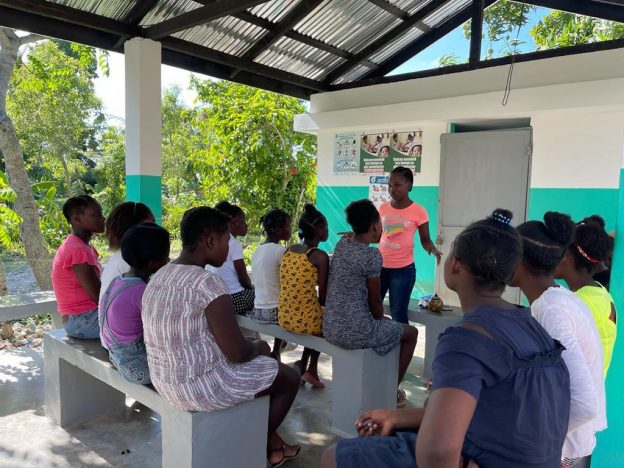
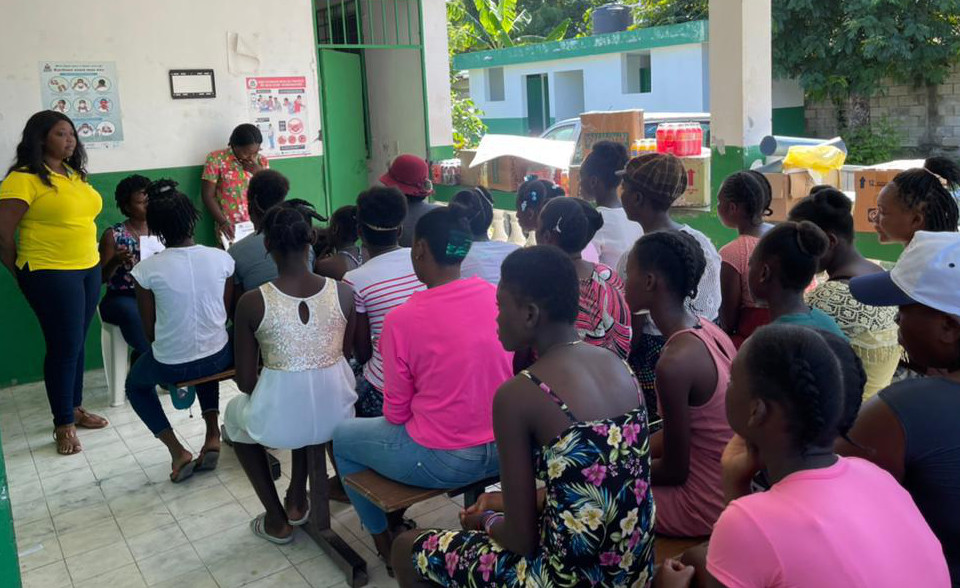
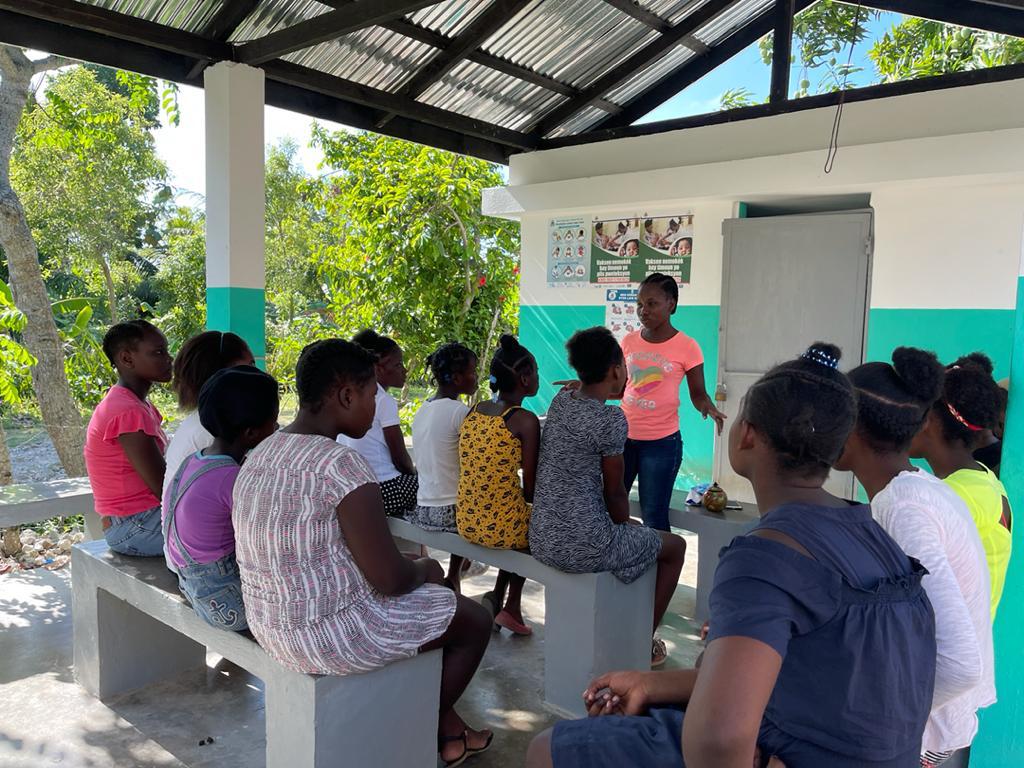
C2C staff members introduce the comprehensive sexual and reproductive health program at a clinic in the Sinek community in northern Haiti. Image credit: Care 2 Communities
Why did C2C choose to design its own comprehensive sexual and reproductive health education course? Why now?
Girls in Haiti, like in many places around the world, are not empowered to make decisions about their sexual health or take ownership of their own bodies. I believe this systemic gender inequity has led to many issues in the country. It’s well known that early unwanted pregnancy is linked to poverty. At C2C, 15% of the patients in our maternal health program are under 18. I see girls coming in for prenatal visits who are 18 or 19 and in their fourth pregnancies, with children from different partners. Not only do these girls not finish their education, they cannot provide for their families. We also see this through our child malnutrition program, where the same girls often return with their children who are suffering medically because they are underweight and not getting the appropriate nutrition. We help them by giving them a nutritional supplement for the child and take the opportunity to educate the mother on healthy and nutritious foods. We offer these services to treat these issues, but our overarching goal is to address the root causes of these issues. Comprehensive sexual and reproductive health education seemed like the natural and best place to start.
“We offer these services to treat these issues, but our overarching goal is to address the root causes of these issues. Comprehensive sexual and reproductive health education seemed like the natural and best place to start.”
We chose to design our own curriculum, working with a Haitian-American psychologist with years of experience in Haiti, because we wanted to make the course fit the context in which we are working. There are many myths and misconceptions that are prevalent in Haiti when it comes to sex—for example, if you have sex in the ocean, you cannot get pregnant; if you drink a beer after sex, you won’t get pregnant; if you have sex with a person with a disability, you will get rich. These myths are harmful and promote risky sexual behavior that harm girls and others.
We also felt that it was important to engage the girls in a way that gets them interested and excited about this information, so that they can take their knowledge and apply it to their lives and share with others as well. There is a section of the course that talks about Rabòday, a popular genre of music in Haiti with lyrics that are very degrading towards women. In this section, we look at some of the lyrics and discuss common themes, how men and women are described in the songs, what stereotypes this genre conveys, and the type of dangers it perpetuates. I hope by learning about how sexism plays into every facet of their lives, they will become more aware of it and work to change it, starting with their own lives and the choices they make.
How did you create the course? What were the steps from when you had the idea to the implementation of the course?
We have been wanting to start this project for several years, so we had quite some time to think about what the course would look like and what our goals would be. In 2020, we were fortunate enough to get funding from Together Women Rise (formerly known as Dining for Women) and the Conservation, Food and Health Foundation to make it a reality. Before moving any further, we surveyed community members, including parents, to get their thoughts about the course and address their concerns. We were happy to find that everyone was accepting and supportive of the project.
We really wanted to create our own curriculum tailored specifically to the girls in our communities, the barriers they face to reproductive health, and their interests. We circulated a job posting for a curriculum writer and were fortunate enough to work with Dr. Elizabeth Louis. We had such a great experience with Dr. Louis that we asked her to join our Board of Directors. We also hired a nurse and social worker to teach the course, since we thought it was important to have young female professionals teach as a team to make the young women feel comfortable with the material and to address any and all questions that the students might have.
“We really wanted to create our own curriculum tailored specifically to the girls in our communities, the barriers they face to reproductive health, and their interests.”
We then spread the word about the program in and around our clinics and through our community health workers. Once all of the participant spots were filled, we held an education session for the parents of the girls so that they could learn more about the curriculum to ask questions and raise concerns. After that, it was time to launch the course.
Q: What was the response from the community? Are there elements of the course that address community-specific challenges?
Before we start any new program, we take the idea to the community first. For this course, we did a feasibility study and interviewed many community leaders—government officials, pastors, teachers, parents, and our own staff. The responses were overwhelmingly positive, even from the church, which is very influential in Haiti. While many may hold traditional values, they see the negative consequences that the lack of sexual education has on the women in their lives. They were eager to have us begin the program. Many of the people we talked to wanted to educate their children on these subjects, but they didn’t know how and many did not have that knowledge themselves.
“While many may hold traditional values, they see the negative consequences that the lack of comprehensive sexual education has on the women in their lives … Many of the people we talked to wanted to educate their children on these subjects, but they didn’t know how and many did not have that knowledge themselves.”
Q: What do you ultimately hope to achieve with this course? What is your vision?
I have big plans for this course. We are currently in our pilot phase: a cohort of 20 girls ages 13-18 enrolled in a 20-week course at six of our clinic sites. Once this course is complete, we will repeat it again for another group of girls. Next year, we will adapt the curriculum for boys. We will still run the two sessions of the class for girls, but we will do a separate one for boys as well. We know that it is critical to include boys in these conversations to help shape their knowledge and behaviors which have a direct impact on their health, their partner’s health, as well their families. The girls’ class and boys’ class will still be separate, so that everyone feels more comfortable asking questions. For year three, we will separate the classes further by age—one class for girls ages 10-14 and another for girls 15-18, and the same for boys. In the fourth year, I want to pilot the course at a local high school to see if we can integrate it as part of a school curriculum, which is unheard of in Haiti. Once we have several years of data, we will pitch the course to the Ministry of Education and my hope is that one day the course is taught in schools throughout Haiti.
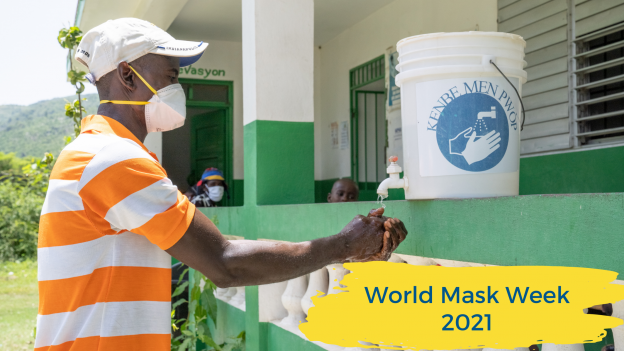
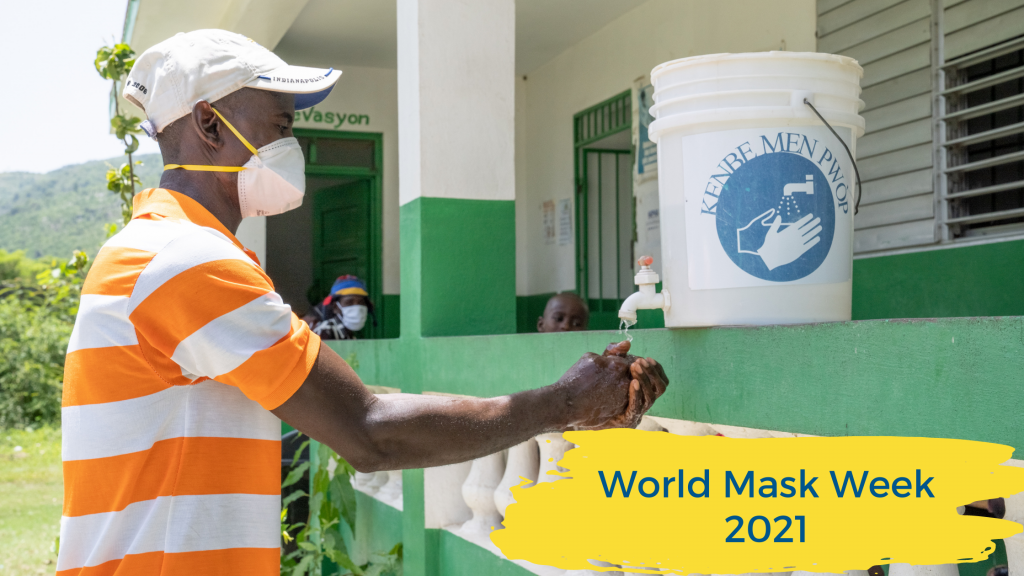
We’re proud to partner with the Pandemic Action Network on World Mask Week 2021. This social-led initiative will begin on Monday, July 12 and conclude on Sunday, July 18.
World Mask Week is a global movement to emphasize the importance of continued masking as we get closer to the end of the COVID-19 pandemic and thank those who have done their part to get us here.
This year is already a deadlier year in the pandemic than 2020, but the context is different. As the pandemic continues amidst fatigue in much of the world, we are increasingly seeing a two-track pandemic where the pandemic persists in some countries and regions while others are lifting restrictions.
Haiti, one of a handful of countries that have not begun vaccination programs, is still waiting for 130,000 doses of the AstraZeneca vaccine that were supposed to be delivered in June, as part of the COVAX program.
COVID-19 cases are on the rise and not under control in Haiti. With the present security situation in Haiti after President Moïse’s assassination, the rollout of the vaccine and measures to mitigate the virus are up in the air.
Wearing a mask in public, in combination with handwashing, slows the spread of COVID-19 and other diseases, especially when most Haitians can’t practice social distancing.
As variants spread around the world, we must stay focused on what keeps us safe. Help us spread mask-wearing messages by getting involved in the #WorldMaskWeek conversation on social media.
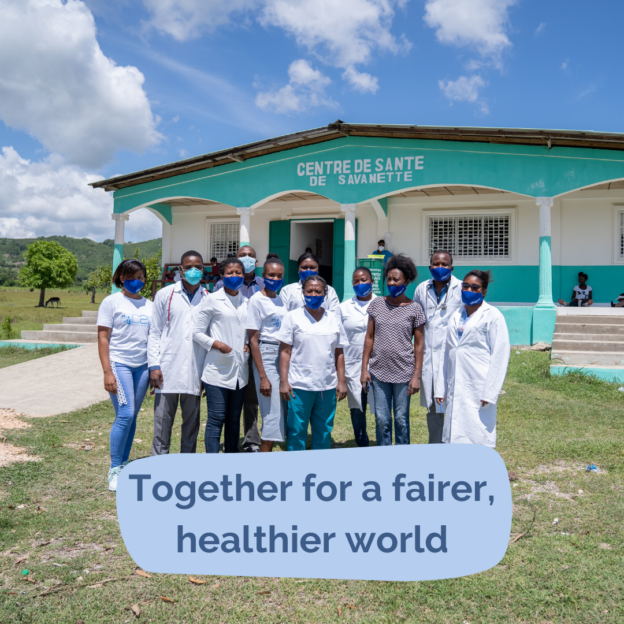
World Health Day is celebrated every year on April 7. This year, the World Health Organization designated the theme for 2021 as “Building a fairer, healthier world,” encouraging leaders to monitor health inequities and ensure that all people can access quality health services when and where they need them.
The world looks very different today from how it did over a year ago, just before the first cases of COVID-19 were reported to the World Health Organization (WHO). The pandemic has changed the lives of everyone around the world. It has affected our physical and mental health but, more than that, it also highlighted the barriers and health inequities that have long existed, especially in vulnerable communities.
“COVID-19 has shown that universal health coverage, strong public health systems and emergency preparedness are essential to communities, to economies, to everyone.” -António Guterres, the Secretary-General of the United Nations says.
Here at C2C, we are ensuring that equity is at the heart of everything we do to improve health and lives. All people throughout the world deserve the chance to live dignified lives free from the burdens of poor health. This starts with quality, accessible primary care.
We stand together with leaders, partners, supporters, and advocates to build fairer, healthier communities by creating access to care in communities that have typically been ignored. Health is a right, not a privilege, and no one should be left behind.